Why Limestone is the Ideal Choice for Your Home
Homeowners often search for materials that blend beauty with toughness. You want something that stands up to daily life while adding a touch of class to your space. Limestone fits that bill perfectly. This natural stone has graced homes for centuries, offering a mix of old-world charm and fresh style. It beats out many man-made options in strength and looks. Let's explore why limestone shines as a top pick for your home.
The Enduring Strength and Durability of Limestone
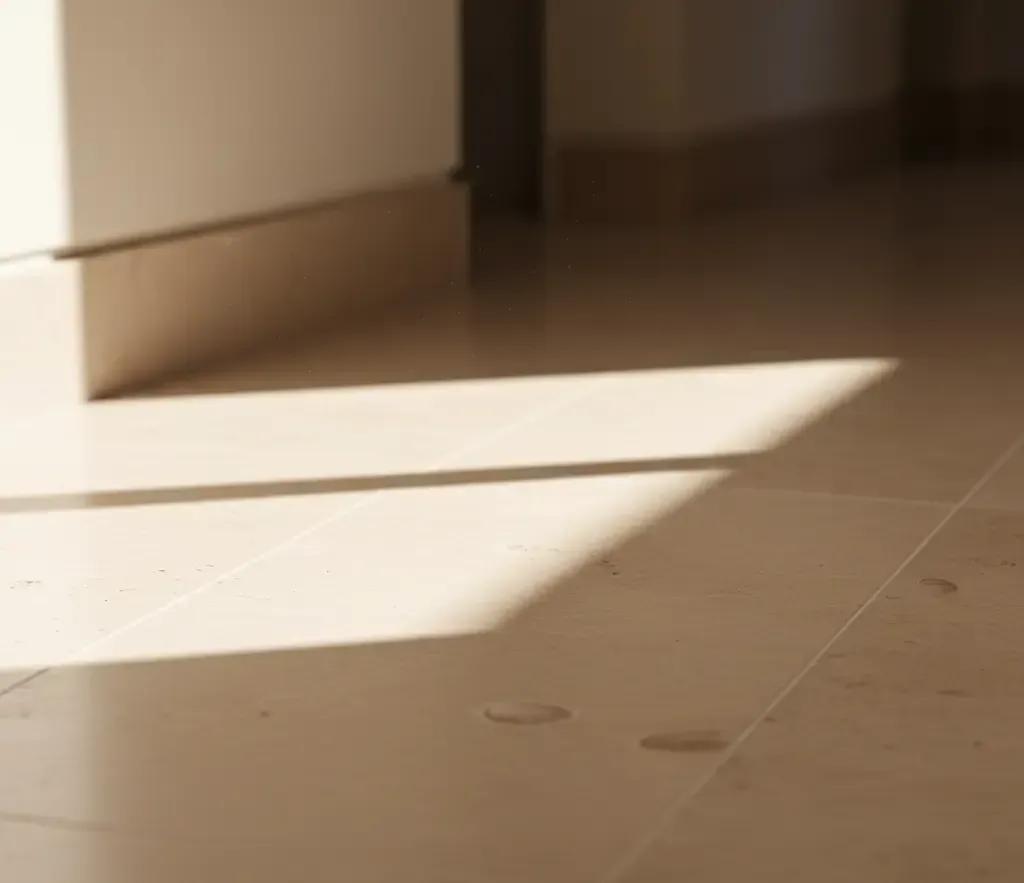
Limestone builds trust through its rock-solid nature. As a natural stone, it holds up well over time, making it a smart choice for long-lasting home materials. Its strength comes from deep in the earth, where layers form under pressure.
Understanding Limestone's Geological Composition
Limestone forms from calcium carbonate shells and fossils pressed together over millions of years. This sedimentary rock ends up dense and sturdy. That makeup gives it a Mohs hardness of 3 to 4, solid enough for floors and walls in busy homes. Unlike softer stones, its tight structure resists cracks from everyday use.
Lifespan and Resistance to Environmental Factors
Quality limestone lasts 50 years or more with care. It handles freeze-thaw cycles better than some tiles, thanks to low water absorption rates around 0.5 percent. Rain and sun add a soft patina, like a favorite leather jacket that ages well. This natural weathering boosts its appeal without breaking it down.
Maintenance Requirements for Longevity
Keep limestone looking new with simple steps. Seal it every one to two years to block stains. Clean spills right away with mild soap and water. It needs less upkeep than
marble, which scratches easily. These habits ensure your investment stays strong for decades.
Architectural Elegance and Aesthetic Versatility
Beauty draws people to limestone. Its warm tones create elegant home design that fits any taste. From cozy kitchens to grand entryways, this stone adds a natural glow.
The Spectrum of Limestone Colors and Finishes
Limestone comes in soft shades like creamy beige, warm buff, and light gray. These natural stone colors warm up rooms without overwhelming them. Finishes vary too—honed for a smooth matte look, tumbled for a rustic edge, or polished for subtle shine. Pick honed for kitchens; it hides fingerprints well. Tumbled works great outdoors, mimicking aged cobblestones.
Historical Precedent: Limestone in Iconic Architecture
Think of the Empire State Building's base, clad in sturdy limestone. Or the White House, where Indiana limestone adds timeless grace. Local spots like old courthouses often use it too. These examples show how limestone blends history with modern builds. It proves the stone's pull in architectural finishes that endure.
Seamless Integration Across Interior and Exterior Applications
Use limestone inside for flooring or countertops, and outside for patios. Its consistent look ties spaces together, like a smooth flow from living room to backyard. In bathrooms, it creates spa-like calm.
Fireplaces gain a cozy focal point with its texture. This versatility makes your home feel unified and inviting.
Find Your Perfect Stone Finish
Not sure if honed, tumbled, or polished limestone is right for your project? Let us help you decide.
Sustainable Benefits and Environmental Considerations
People care more about green choices now. Limestone steps up as an eco-friendly stone that cuts waste. It comes straight from the earth, with little processing needed.
Sourcing and Reduced Manufacturing Footprint
Quarries pull limestone from local sites, skipping heavy factory work. Concrete production uses tons of energy, but natural stone like this has 70 percent less embodied energy, per studies from the Natural Stone Council. Source nearby to lower transport costs and carbon output. This makes it a wise pick for sustainable building materials.
Natural Thermal Properties
Limestone's thickness traps heat in winter and stays cool in summer. It acts as natural insulation, helping you save on energy bills by up to 10 percent in some homes. Thick walls with this stone keep rooms steady, like a blanket on a chilly night. No need for extra layers of synthetic stuff.
Recyclability and End-of-Life
At life's end, limestone crushes into gravel for new paths or fills. It doesn't leach chemicals like some plastics. Reuse old tiles in gardens or donate to builders. This cycle keeps landfills lighter and resources in play.
Limestone in Specific Home Applications
Limestone shines in key spots around the house. It handles real-life demands while looking sharp. Choose it for areas that see heavy use.
Flooring: Balancing Beauty and Foot Traffic
In entryways or halls, limestone flooring takes steps without fading. Opt for denser grades like travertine-style for busy spots; they score higher on wear tests. Its subtle patterns hide dirt better than glossy tiles. Add rugs for slip protection, and you'll have floors that last and please the eye.
- Select honed finishes for less shine and more grip.
- Avoid soft varieties in kitchens if you drop pots often.
- Pair with underfloor heating for cozy winters.
Countertops and Wet Areas: A Note on Porosity
Limestone countertops add warmth to kitchens, but seal them well against spills. Its pores absorb acids like lemon juice, so use cutting boards and wipe fast. For bathrooms, denser types resist humidity. Apply penetrating sealers twice a year. Though softer than granite, proper care keeps it stunning without the high cost.
Exterior Cladding and Hardscaping
On facades, limestone protects from wind and weather while boosting curb appeal. It weathers to a soft glow over 20 years, unlike vinyl that cracks. In gardens, use it for steps or walls—its texture grips in rain. Blend with plants for a natural yard that feels established right away.
Making the Investment: Cost vs. Value Proposition
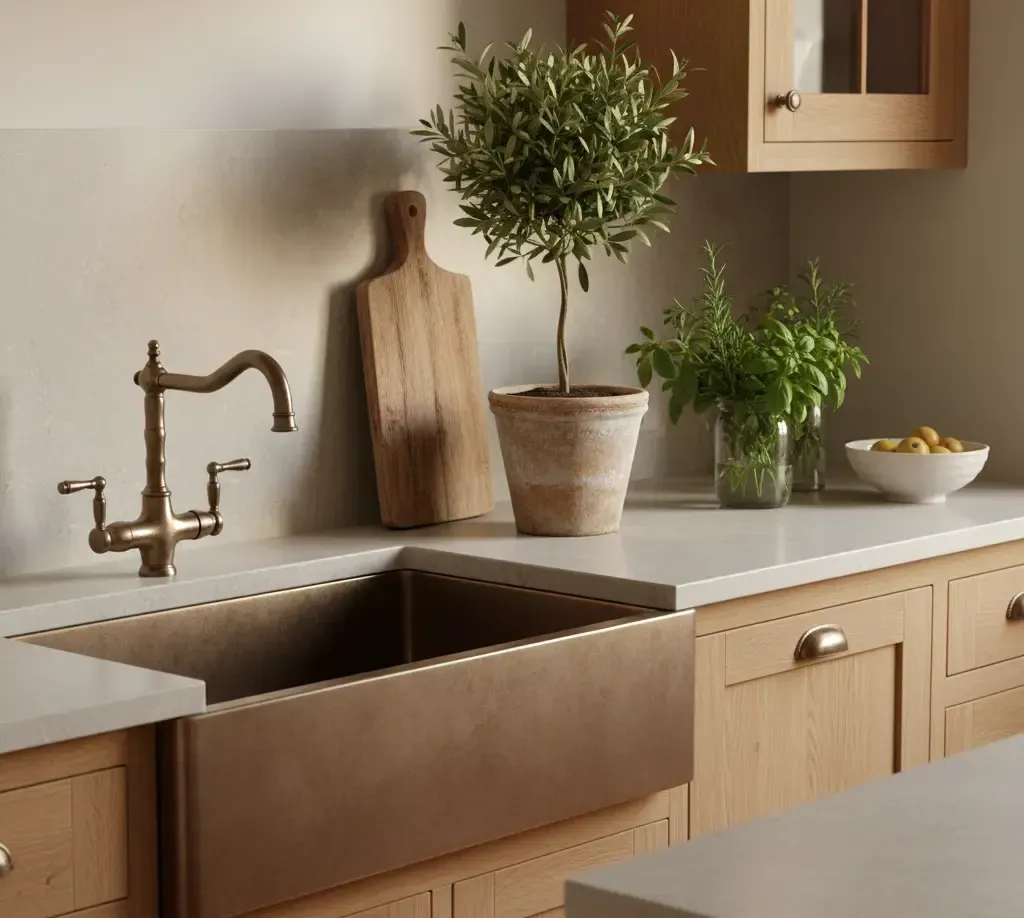
Upfront prices might give pause, but limestone pays off big. It lifts your home's value through smart natural stone cost analysis. Think long-term gains.
Understanding the Initial Cost Factors
Prices range from $5 to $15 per square foot, based on source and cut. Thick slabs from Europe cost more than local ones. Finishes like polished add labor fees. Installation runs $4 to $8 per foot, depending on the job's trickiness. Shop around to fit your budget.
Long-Term Value: Durability as Savings
Swap out laminate counters every decade? That adds up fast. Limestone skips those fixes, saving thousands over time. Homes with natural stone sell for 5 to 10 percent more, say real estate reports. Its patina grows character, not repair bills. You get home value ROI that lasts a lifetime.
Working with Installers and Suppliers
Find trusted locals through home shows or online reviews. They guide on grades and seals, often at better rates. Ask for samples to match your vision. Direct buys cut middleman costs. Get quotes from three spots to compare.
Securing a Legacy of Quality with Limestone
Limestone offers unmatched durability, style, and green perks for your home. It withstands time while enhancing every corner with natural grace. Choose it to build a space that reflects your taste and lasts for generations.
Here are the top three reasons to go with limestone:
- Rock-Solid Strength: It resists wear and weather, outlasting many rivals.
- Timeless Looks: Soft colors and finishes fit any design, inside or out.
- Eco-Smart Choice: Low energy use and reuse options make it kind to the planet.
Ready to upgrade? Contact a local supplier today and see how limestone can transform your home into something special.
See Limestone in Your Home
Connect with a trusted local supplier for samples and a custom quote. Transform your space today.